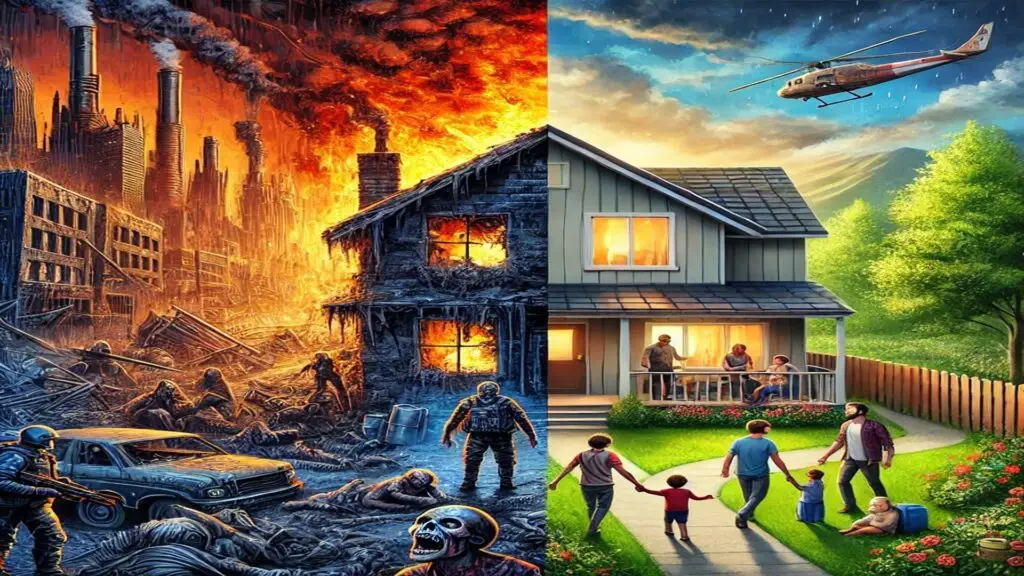
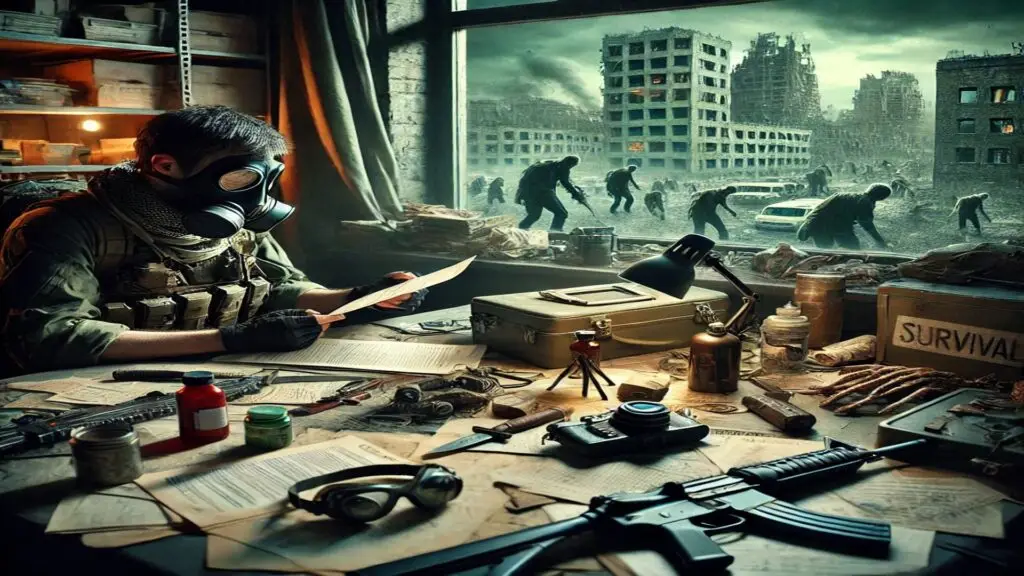
How to Assess Your Risk Level for a Zombie Apocalypse: A Step-by-Step Guide
The idea of a zombie apocalypse sounds like something from zombie films, but it never hurts to be ready, right? Of course nobody wants to come across the living dead.
However, being prepared is always wise. And if you think about it, imagining what you can do to prepare is also quite entertaining.
So here’s a step-by-step guide to help you determine how likely you are to experience a zombie apocalypse.
The Steps:
- Evaluate Your Location
- Consider Your Immediate Environment
- Assess Your Physical Condition
- Review Your Skills and Resources
- Evaluate Your Social Network
- Create a Contingency Plan
STEP 1: Evaluate Your Location
For any disaster, where you are and where you live has a major influence – even on something as strange as a zombie outbreak. Think about the following:
- Urban Areas – cities might be high-risk zones due to dense populations. More people mean a higher chance of encountering zombies.
- Rural Areas – the countryside provides more time to react, but could leave you isolated.
- Natural Barriers – Living near mountains, rivers, or forests can offer natural obstacles that slow down the spread of a zombie outbreak.
Proximity to Military Bases – Being close to a military facility could increase your chances of receiving early protection or evacuation.
STEP 2: Consider Your Immediate Environment
Your home’s surroundings can also make you more or less vulnerable in the event of a zombie apocalypse. Consider asking yourself about your –
- Building Structure: is your house secure? How easy is it to lock up windows, doors and entrances if necessary?
- Accessibility: is your home easy to reach? If your apartment is on the ground floor or your house has no fences, then your risk level is higher.
Supplies and Storage: can you store essentials like food, water and medical supplies? It’s good to stock them in case things get dangerous and it’s too risky to go out.
STEP 3: Assess Your Physical Condition
Another thing to prepare aside from your mental health is your health and physical fitness. And the top three to examine are your:
- Endurance: Most stories show zombies as slow. But if they’re actually as fast as the ones in the movies, can you run long distances to escape them?
- Strength: Being physically strong will help you respond to zombie threats by carrying supplies and defending yourself. How well can you be at hand-to-hand combat?
Medical History: You can be more at risk if you’re on medication. How long could you go without visiting a pharmacy?
STEP 4: Review Your Skills and Resources
In a zombie apocalypse, having the right tools and skill set gives you a greater chance to be safer. Start thinking about:
- Self-Defense: Can you create any weapon or other handmade tools to defend yourself? Are you trained to fight the zombie enemies?
- Survival Skills: Can you make shelter without a tent? Can you make a fire or purify water to drink? Do you know how to find food outdoors?
First Aid Knowledge: If you get hurt, can you treat your own wounds? Do you know how to prevent infections from getting on it?
STEP 5: Evaluate Your Social Network
It’s good to know the people around you and to see what it can provide you in the case of a zombie problem. Study your –
- Group Size: Belonging to a large community is good because it can mean more resources and expertise. But it can also mean more people to feed.
- Communication Systems: Being able to connect with loved ones during a crisis is very good. Walkie-talkies, satellite phones or similar devices can save lives.
Neighbors: In stressful situations such as seeing real walking dead, knowing you can depend on the people around you is also important.
STEP 6: Create a Contingency Plan
Finally, make sure to have any backup plans in case of other emergencies to upgrade your preparedness. Study:
- Escape Routes: Do you know some quick ways to get out of your house or city in case zombies start showing up in the streets?
- Safe Locations: Can you pinpoint areas where you can go like hiding spots, remote cabins or nearby forests?
Emergency Supplies: Do you have an emergency kit filled with enough non-perishable food, water, batteries and first aid supplies that you can easily grab?
Knowing how much risk a survivor can handle in the middle of a zombie apocalypse can be a fun thing to think about.
By reflecting on this zombie survival guide, you can feel more secure and can plan how to prepare yourself for any unexpected situation – not just when dealing with zombies but also any natural disaster.
Don’t forget: it’s better to be safe than sorry, so don’t forget to purchase your zombie insurance.